

If you’ve spent any time exploring functional mushrooms or wellness supplements, there’s a good chance you’ve come across Lion’s Mane mushroom.
With its distinctive white, cascading appearance, Lion’s Mane looks quite different from the mushrooms you’ll typically find at the grocery store. It has also become an increasingly recognizable ingredient in capsules, powders, beverages, and other dietary supplements.
But what exactly is Lion’s Mane, and what should you know before adding a Lion’s Mane supplement to your routine?
Here’s a straightforward introduction.
What Is Lion’s Mane Mushroom?
Lion’s Mane is an edible mushroom known scientifically as Hericium erinaceus. Its long white strands give the mushroom an appearance that resembles a lion’s mane, which explains its common name.
The mushroom has a history of culinary use, particularly in parts of Asia, and today it is widely available as a dietary supplement.
Rather than having to prepare the mushroom as food, supplements offer a convenient way to incorporate Lion’s Mane into an existing wellness routine.
Why Has Lion’s Mane Become So Popular?
Interest in functional mushrooms has grown considerably, and Lion’s Mane is one of the best-known varieties.
Part of its appeal is convenience. Lion’s Mane supplements can fit alongside other everyday wellness products without requiring major changes to someone’s routine.
You may also see Lion’s Mane marketed using claims related to normal cognitive function, focus, memory, or general well-being. It is important to treat such claims carefully. Dietary supplements are not drugs, and they should not be presented as products that diagnose, treat, cure, or prevent diseases.
For consumers, that makes it sensible to approach dramatic promises with caution and look for clear product information instead.
Lion’s Mane Capsules vs. Powders
Lion’s Mane supplements are available in several forms, with capsules and powders among the most common.
Powders can be mixed into drinks or other foods, which may appeal to people who already prepare smoothies or shakes.
Capsules offer a different advantage: simplicity. There’s nothing to mix or measure, making them particularly convenient for people who prefer a straightforward supplement routine.
Neither format is automatically the right choice for everyone. The better option depends on personal preference and how you prefer to take supplements.
When Should You Take Lion’s Mane?
There isn’t one universal time of day that everyone needs to take Lion’s Mane.
For many people, consistency and following the directions on their particular product are more practical considerations than trying to find a supposedly perfect time.
Some people prefer taking supplements with their morning routine because they find them easier to remember. Others may take them alongside another regular meal or daily habit.
Always follow the serving directions provided on the product you’re using.
What Should You Look for in a Lion’s Mane Supplement?
Supplement labels can sometimes feel unnecessarily complicated. A few basic checks can make comparing products easier.
Start by looking at the Supplement Facts panel and serving size so you understand exactly what the stated amount refers to. Check the ingredient list and directions rather than relying solely on claims printed prominently on the front of the bottle.
It’s also worth being skeptical of supplements that promise extraordinary or guaranteed results. Dietary supplements marketed in the United States are subject to specific FDA requirements, but FDA generally does not approve dietary supplements before they reach the market. Manufacturers and distributors remain responsible for ensuring their products and labeling comply with applicable law.
Clear information is generally more useful than extravagant promises.
Adding Lion’s Mane to Your Daily Routine
One reason capsules are popular is that they can be easy to incorporate into habits you already have.
You might keep your supplements somewhere you’ll regularly see them, associate taking them with breakfast, or include them as part of another established daily routine.
If you choose Lion’s Mane capsules, follow the directions on the individual product rather than assuming every Lion’s Mane supplement has the same serving size or concentration.
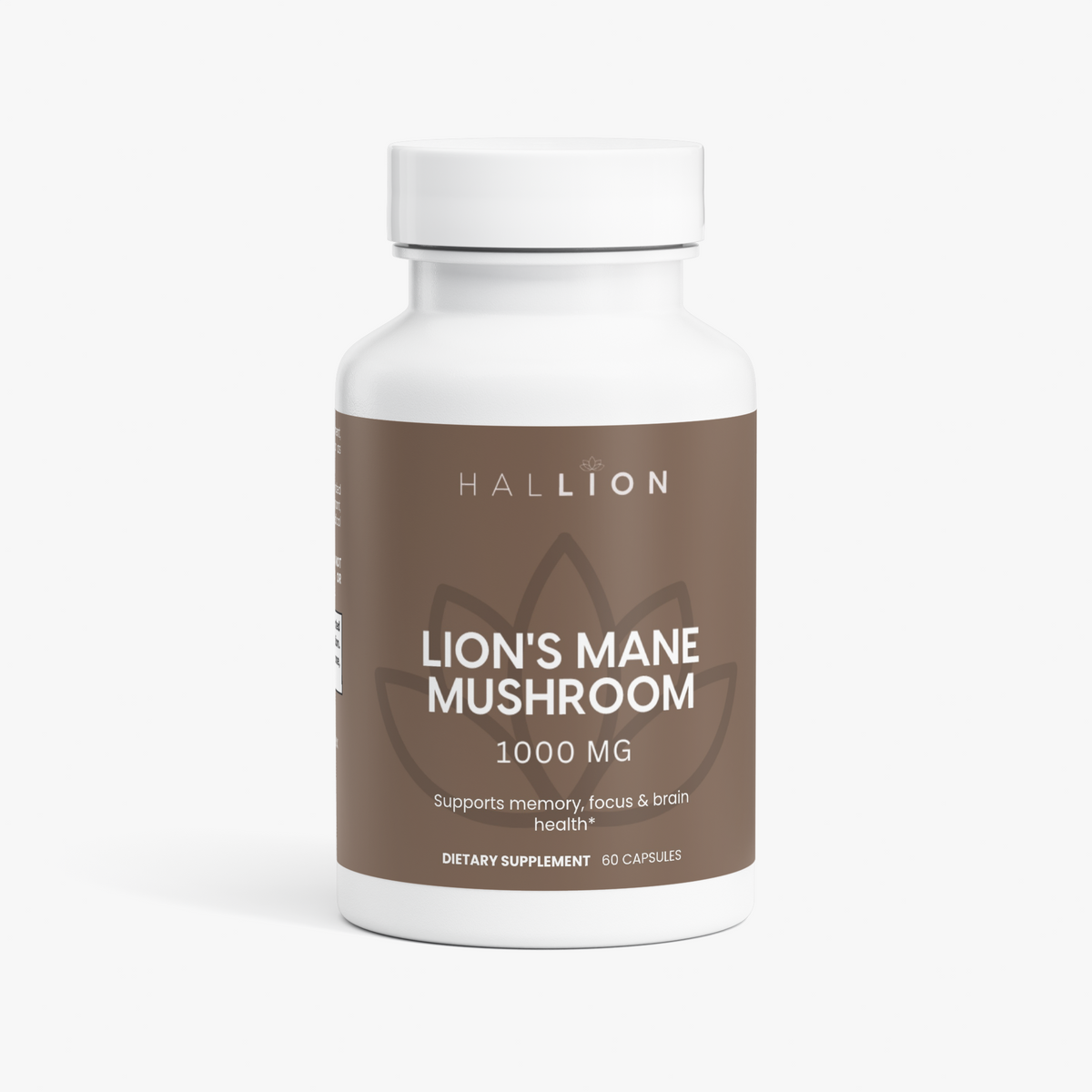
Hallion customers interested in this format can explore Hallion Lion’s Mane Mushroom 1000 MG.
Can Everyone Take Lion’s Mane?
A dietary supplement shouldn’t be assumed to be appropriate for every person simply because its ingredients are naturally derived.
If you are pregnant or nursing, have an existing medical condition, take medication, have allergies, or are uncertain whether a supplement is appropriate for you, speak with a qualified healthcare professional before using it.
Supplements also shouldn’t be treated as substitutes for a varied diet, appropriate medical care, sleep, exercise, or other foundations of a healthy lifestyle.
The Bottom Line
Lion’s Mane is a distinctive edible mushroom that has become a familiar ingredient in the functional-mushroom and dietary-supplement categories.
If you’re considering adding it to your routine, focus on straightforward product information: understand the serving, read the Supplement Facts panel, follow the directions, and be cautious about exaggerated health promises.
For people who prefer capsules, Hallion Lion’s Mane Mushroom 1000 MG provides a simple way to incorporate Lion’s Mane into an everyday supplement routine.
Explore Hallion Lion’s Mane Mushroom →
These statements have not been evaluated by the Food and Drug Administration. This product is not intended to diagnose, treat, cure, or prevent any disease.


Leave a comment
This site is protected by hCaptcha and the hCaptcha Privacy Policy and Terms of Service apply.